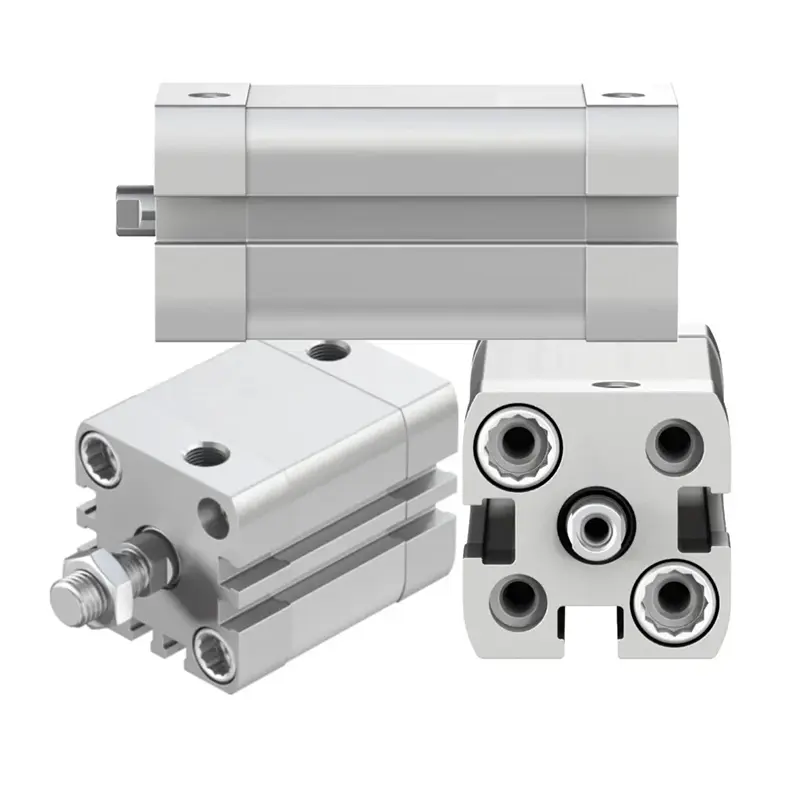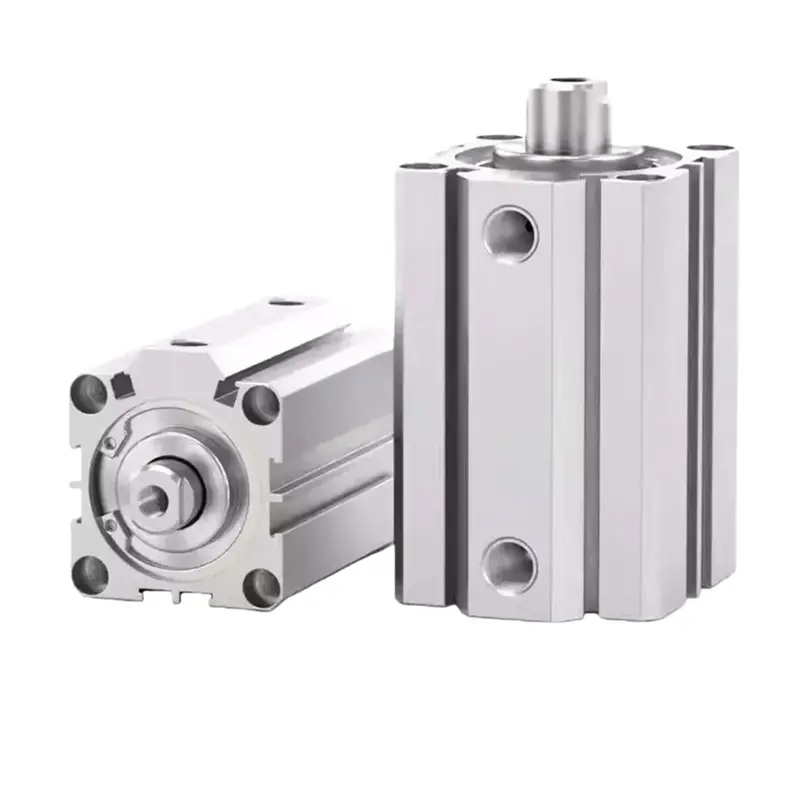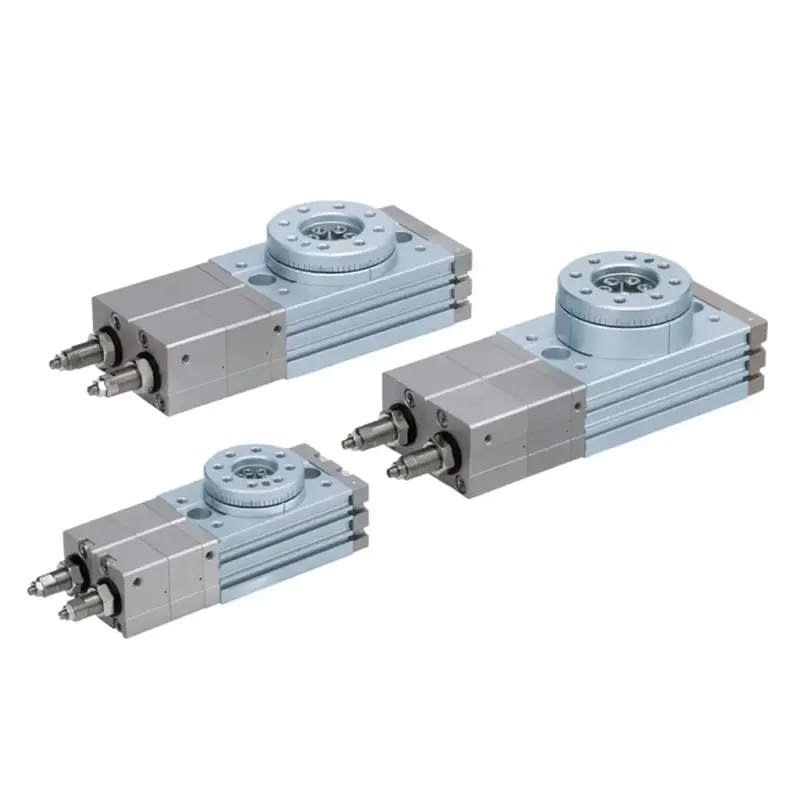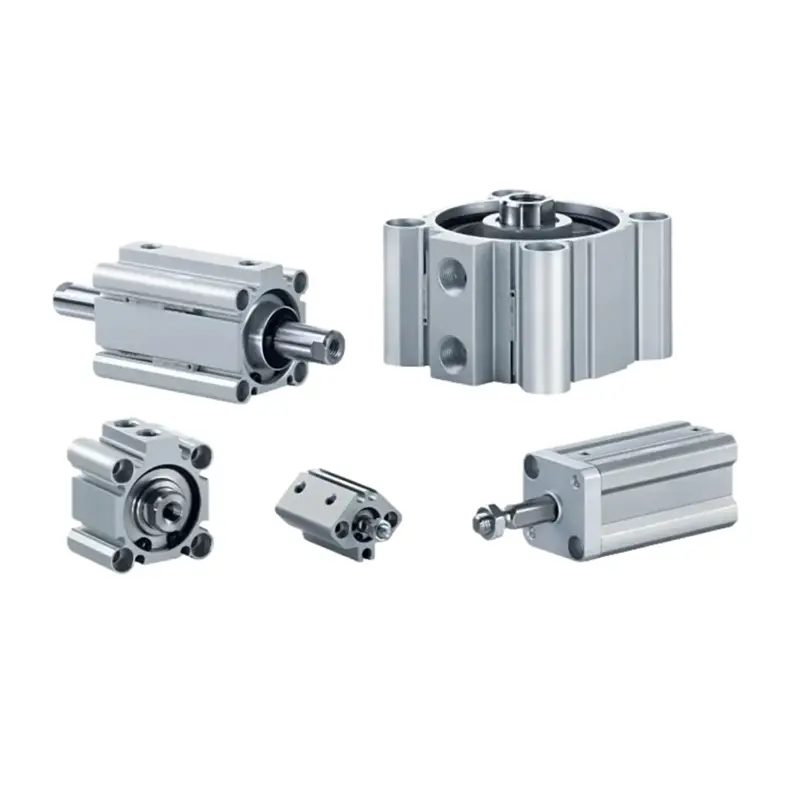
A practical pneumatic cylinder repair guide for maintenance engineers, OEM designers, and factory managers
【img】
alt: Industrial pneumatic cylinder installed in automated production line
Pneumatic cylinders (air cylinders) are critical actuators in industrial automation systems. From packaging machines to CNC equipment and automotive assembly lines, they convert compressed air into precise linear motion.
However, cylinder failures are inevitable over time.
In real industrial environments, over 60% of pneumatic cylinder failures are caused by air quality, incorrect installation, or improper sizing — not manufacturing defects.
This guide explains:
- How to diagnose pneumatic cylinder problems
- Step-by-step air cylinder repair methods
- When to repair vs replace a pneumatic cylinder
- Professional preventive maintenance practices
- Engineering insights to reduce downtime
As an industrial pneumatic cylinder manufacturer, CHDAC shares practical field experience to help you solve cylinder problems efficiently and extend equipment lifespan.
Quick Pneumatic Cylinder Troubleshooting Chart
| Symptom | Likely Cause | Recommended Action |
|---|---|---|
| Air leaking from rod | Worn rod seal | Replace seal kit |
| Cylinder not extending | Low pressure / valve issue | Check regulator & solenoid |
| Slow movement | Flow restriction | Inspect FRL & flow control |
| Jerky motion | Contaminated air | Drain filter, check ISO 8573 level |
| Excessive vibration | Cushion failure | Adjust or repair cushion system |
This quick chart helps maintenance teams identify root causes before disassembling the cylinder.
How a Pneumatic Cylinder Works (Before You Repair It)
Understanding working principles prevents unnecessary replacement.
A pneumatic cylinder consists of:
- Cylinder barrel
- Piston & piston rod
- Rod seal and piston seal
- End caps
- Air ports
- Cushion mechanism (optional)
According to ISO 4414 (Pneumatic Fluid Power – General Rules and Safety Requirements), actuator output force is calculated as:
Force (N) = Pressure (Pa) × Effective Area (m²)
Most industrial systems operate between 0.4–0.8 MPa (4–8 bar).
Industrial cylinders often comply with:
- ISO 15552 – Standard profile cylinders
- ISO 6432 – Mini cylinders
- ISO 8573 – Compressed air quality standard
Poor air quality (moisture, oil, particles) significantly shortens seal life.
Common Pneumatic Cylinder Problems & Repair Solutions
1. Pneumatic Cylinder Leaking Air
【img】
alt: Pneumatic cylinder rod seal leakage close-up
Symptoms:
- Hissing sound
- Pressure drop
- Reduced output force
Root Causes:
- Worn rod seal
- Damaged piston seal
- Scratched barrel
- Loose fittings
Repair Method:
- Shut off and depressurize system.
- Remove cylinder.
- Disassemble carefully.
- Inspect rod surface for scoring.
- Replace seals with OEM-compatible seal kit.
- Reassemble and test at low pressure.
Engineering insight:
If the barrel is deeply scored or oval-shaped, replacing seals rarely solves leakage permanently. In such cases, full cylinder replacement is more economical.
2. Cylinder Not Moving (No Extension or Retraction)
Before opening the cylinder, check upstream components:
- FRL (Filter-Regulator-Lubricator)
- Directional control valve
- Solenoid valve
- Compressor output pressure
In many factories, actuator failure is incorrectly diagnosed while the real issue is insufficient air supply.
Additional Causes:
- Bent piston rod
- Internal corrosion
- Seized piston
If rod bending exceeds tolerance, replacement is recommended.
3. Slow or Weak Operation
【img】
alt: Pneumatic cylinder operating slowly due to contaminated compressed air
Possible Reasons:
- Contaminated compressed air
- Flow control restriction
- Undersized cylinder bore
- Internal seal swelling
Check whether air quality meets ISO 8573 requirements.
Improper cylinder sizing is a frequent design mistake. Load mass, friction, acceleration, and safety factor must be considered during selection.
If unsure, recalculate required bore size before replacing components.
4. Excessive Noise or Vibration
Usually related to:
- Cushion failure
- Loose mounting
- Misalignment
- End cap damage
Misalignment is especially harmful.
In one packaging application we supported, repeated seal failures were traced to side loading caused by bracket misalignment. After correcting mounting and switching to a guided cylinder structure, failure frequency dropped by nearly 70%.
Step-by-Step Pneumatic Cylinder Repair Process
Step 1 – Isolate & Depressurize
- Shut off air supply
- Release residual pressure
- Apply lockout/tagout if required
Step 2 – Remove Cylinder
- Disconnect air lines
- Mark orientation
- Remove mounting bolts
Step 3 – Disassemble Carefully
- Remove end caps
- Extract piston assembly
- Avoid scratching barrel interior
Step 4 – Inspect Components
Check:
- Rod straightness
- Seal wear condition
- Barrel internal finish
- Cushion components
Step 5 – Replace Damaged Parts
Use:
- OEM seal kits
- Compatible materials (NBR, PU, FKM depending on environment)
- Proper lubrication if required
Step 6 – Reassemble & Test
- Lubricate lightly
- Torque bolts evenly
- Test at low pressure first
- Gradually increase to working pressure
Repair vs Replace: Decision Guide
Repair When:
- Only seals are worn
- Rod surface is smooth
- Barrel has no deep scoring
- Spare parts are available
Replace When:
- Barrel is cracked
- Rod severely bent
- Corrosion is extensive
- Repair cost exceeds 60–70% of new unit
For applications exceeding 1 million cycles per year, replacement may be more cost-effective long-term.
Preventive Maintenance Best Practices
To reduce pneumatic cylinder failure:
- Install high-quality FRL units
- Maintain clean, dry compressed air
- Check alignment during installation
- Avoid side load on piston rod
- Inspect seals every 6–12 months
- Use correct bore size with safety factor
Predictive maintenance systems using pressure sensors and air monitoring are becoming standard in modern smart factories.
Why Proper Air Quality Matters
According to the principles summarized in Pneumatics, contamination is one of the leading causes of component wear in pneumatic systems.
Moisture causes corrosion.
Particles scratch sealing surfaces.
Oil contamination degrades seal materials.
Air preparation is not optional — it is fundamental.
Why Choose CHDAC for Pneumatic Cylinder Solutions?
As an industrial pneumatic cylinder manufacturer, CHDAC provides:
- ISO-compliant standard cylinders
- Customized bore and stroke options
- Long-life sealing systems tested for 1M+ cycles
- Stable OEM supply for automation manufacturers
- Engineering support for cylinder sizing & application matching
We support equipment manufacturers in packaging, textile, food processing, and general automation industries.
Need Help Diagnosing Your Cylinder Issue?
If you’re unsure whether to repair or replace your pneumatic cylinder, send us:
- Bore size
- Stroke length
- Working pressure
- Load mass
- Installation type
Our engineering team will provide sizing feedback and repair recommendations within 24 hours.
FAQ
Yes. Most failures involve worn seals, which can be replaced using a compatible seal kit
Under proper installation and air quality control, industrial cylinders typically last 5–10 million cycles, depending on load and environment.
Possible causes:
Scratched barrel
Incorrect seal installation
Rod surface damage
Improper torque
Contaminated air
Misalignment
Excessive speed
Side loading
Final Thoughts
Fixing a pneumatic cylinder is not just about replacing a seal.
It requires understanding:
- Air pressure dynamics
- Load calculation
- Installation alignment
- Air quality control
With proper troubleshooting, preventive maintenance, and correct sizing, pneumatic cylinders can deliver reliable performance for millions of cycles.
If you are sourcing reliable air cylinders or need engineering support, CHDAC is ready to provide professional, application-focused solutions.